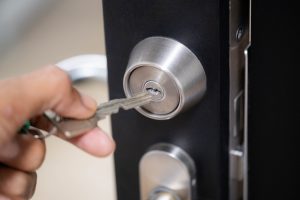
Home security often depends on small details that many people overlook. A lock may still work, the door may still close, and everything may appear fine at first glance. However, small lock issues can slowly turn into serious security problems. Super G&R often sees situations where homeowners ignored minor signs until the lock completely failed. Therefore, understanding these small warning signals can help prevent expensive repairs and unexpected lockouts.
Many homeowners assume a lock only needs attention when it completely stops working. However, locks usually give early signals before failure. Paying attention to those signs can protect both property and peace of mind.
Stiff Locks That Slowly Become Bigger Problems
One of the most common issues homeowners ignore is a stiff or hard-to-turn lock. At first, it may only require a little extra pressure. However, over time the problem usually becomes worse.
A stiff lock often means internal components are wearing down. Dirt inside the mechanism, small alignment shifts, or worn pins can make the key harder to turn. As a result, forcing the key may damage the lock or even break the key inside the cylinder.
Super G&R frequently helps homeowners after a lock becomes completely stuck. In many cases, the issue started months earlier when the lock first began resisting the key. Regular inspection and small adjustments can solve these problems early. In some cases, calling an emergency locksmith becomes necessary when a lock suddenly stops working at the worst possible moment.
Loose Door Handles and Lock Hardware
Another small problem homeowners often ignore is loose lock hardware. Door handles, deadbolts, and strike plates can gradually loosen through daily use.
Every time a door opens and closes, small vibrations affect the lock assembly. Over months or years, screws can slowly back out of place. Consequently, the lock may shift slightly inside the door.
This small movement can create alignment problems between the lock and the strike plate. When that happens, the bolt may not fully extend into the door frame. The door may still lock, but the security level becomes weaker.
Super G&R regularly checks these details during lock service visits. Tightening hardware, adjusting strike plates, and realigning locks often restore proper security without requiring a full replacement.
Keys That Feel Different When Turning
Many homeowners continue using a key even after it begins to feel different. The key may wiggle, catch slightly, or require a certain angle to work properly.
These subtle changes often indicate internal wear inside the lock cylinder. Pins and springs gradually wear down through repeated use. Meanwhile, keys themselves also wear down over time.
Using a worn key can slowly damage the lock even more. Eventually, the key may stop working entirely or break inside the cylinder. Therefore, replacing worn keys early is an important part of lock maintenance.
Super G&R often recommends making a fresh key copy when the original begins to show signs of wear. Maintaining working keys and properly functioning locks helps prevent unexpected access problems later.
Doors That No Longer Align With the Lock
Door alignment changes are another hidden problem many homeowners overlook. Houses naturally shift slightly over time due to weather, humidity, and structural movement.
Even small changes can affect how a lock aligns with the strike plate. As a result, the deadbolt may scrape the frame or require force to lock.
Some people push harder on the door or lift the handle to make the lock work. However, this temporary solution slowly damages both the lock and the door frame.
Super G&R often resolves these issues through simple adjustments. Correct alignment allows the lock to operate smoothly and reduces unnecessary strain on the locking mechanism.
Outdoor Locks Exposed to Weather
Exterior locks face constant exposure to weather conditions. Rain, snow, dust, and temperature changes can slowly affect lock performance.
Moisture can enter the lock cylinder and cause internal corrosion. Cold temperatures may also stiffen internal components, especially during winter months. As a result, locks may begin sticking or turning slowly.
Homeowners sometimes ignore these early warning signs until the lock freezes or stops working entirely. At that point, quick help may be required. In those situations, contacting an emergency locksmith can quickly restore access and repair the damaged lock.
Regular inspection and occasional lubrication can greatly extend the life of outdoor locks.
Why Small Lock Issues Should Never Be Ignored
Small lock problems rarely stay small for long. What begins as a stiff key or loose handle can eventually lead to lock failure, broken keys, or unexpected lockouts.
Super G&R encourages homeowners to treat locks as an important part of home maintenance. Regular inspection helps detect early signs of wear before they develop into larger security issues.
Understanding how locks function and responding to small warning signs can prevent costly repairs. Homeowners who maintain their locks properly often avoid emergency situations and extend the life of their security systems.
Learning more about professional lock services through the official locksmith services website can also help homeowners understand the options available for improving home security.
FAQs
What are the first signs a door lock is failing?
Common early signs include a key that sticks, a lock that feels stiff, or a handle that becomes loose. These small changes usually appear before a lock completely stops working.
Can a loose door lock reduce home security?
Yes. A loose lock can shift inside the door, which may prevent the bolt from fully engaging the strike plate. This weakens the lock’s ability to properly secure the door.
Why does my key sometimes work only at a certain angle?
This often happens when the lock cylinder or key becomes worn. The pins inside the lock may no longer align correctly with the key, causing inconsistent operation.
Should outdoor locks receive special maintenance?
Exterior locks benefit from occasional cleaning and lubrication. Weather exposure can cause dirt buildup and moisture damage that affects how the lock functions.
When should a homeowner call a locksmith?
If a lock becomes difficult to turn, stops aligning with the door frame, or shows signs of internal damage, contacting a locksmith early can prevent complete lock failure.
You can read more about our services here: Alberta Business Beat, Your Local Biz, Post Of The Day, Canada Biz Portal, The Canada Best, Calgary Best, The Daily Local.