Losing or damaging a car key often brings a tough decision. Many drivers assume that going to the dealership is the only safe choice, but that’s not always true. Modern locksmiths now provide advanced car key programming and replacement services that often match or even exceed dealership capabilities. Understanding the real differences between the two helps you make a faster, more informed decision when time and cost matter.
Why the Dealership Feels Like the Safe Choice
When people lose their car keys, the dealership is usually the first place that comes to mind. It feels official, connected directly to the manufacturer, and therefore reliable. Dealership technicians have the specific training and access to factory parts for your exact vehicle model. They can order keys that come pre-coded to your vehicle’s identification number, ensuring compatibility.
However, dealerships also operate under manufacturer timelines. Ordering a replacement key can take days, sometimes weeks, depending on the make and model. The process often requires towing the vehicle to the dealership because most won’t send a technician out to your location. That adds both cost and inconvenience.
The dealership method works best if your car needs a highly specialized repair, like a complete immobilizer replacement or warranty-covered service. But for most key-related problems, it’s more of a long route than a necessary one.
Why Locksmiths Are Now a Strong Alternative
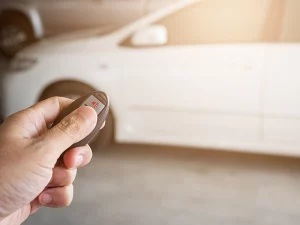
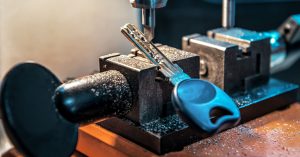
Automotive locksmiths have evolved. Today, they use advanced diagnostic and key programming equipment that mirrors dealership technology. A professional automotive locksmith in Ottawa can cut, program, and replace most modern transponder, remote, or smart keys on-site.
Unlike a dealership, a locksmith comes to you. That’s the main advantage. Whether you’re stranded in a parking lot or outside your home, mobile locksmiths carry the tools needed to handle the entire process without towing your car. Most can program a new key, erase old ones from the system, and get you driving again within the hour.
Modern locksmiths also stay updated with vehicle security systems. They work on various brands daily, not just one manufacturer line. This broad experience often gives them a deeper, real-world understanding of different locking mechanisms and key programming systems.
Cost Comparison: Why the Price Difference Exists
The most noticeable difference between dealerships and locksmiths is cost. Dealerships often charge higher rates because of overhead and brand affiliation. Every replacement key goes through official supplier channels, adding markup and longer waiting times.
Locksmiths, on the other hand, purchase OEM-quality keys directly from specialized suppliers. The key’s security chip and cut pattern are the same, but the chain of distribution is shorter. That efficiency translates into savings for the customer.
In addition, locksmiths typically charge a single service fee that covers both cutting and programming. Dealerships often separate these steps into two or three different charges: one for the key, another for labor, and sometimes another for programming. The overall difference can easily reach several hundred dollars.
Technology and Equipment: Equal but More Accessible
The most common misconception is that locksmiths cannot handle high-tech car keys. This might have been true many years ago, but not anymore. Locksmiths use software and key programming tools designed for encrypted systems, including laser-cut keys and push-to-start fobs.
Many locksmiths also invest in diagnostic scanners capable of reading your car’s onboard computer. This allows them to program new keys, reset immobilizers, and even clear lost or stolen key codes. In contrast, dealership systems perform the same tasks but only within their brand’s software environment.
The flexibility of locksmith tools means that they can work on cars of different makes during the same day. That experience is valuable because every car manufacturer handles key security a little differently. Over time, locksmiths develop practical methods that sometimes solve problems faster than dealership routines.
Time Efficiency: Getting Back on the Road Faster
Time often determines who you call first. A dealership requires you to schedule an appointment, wait for the part, and possibly tow your car. The entire process can take several days.
A locksmith works differently. You call, provide your vehicle’s make and model, and they bring the necessary tools directly to you. In many cases, you’ll have a working key within one visit. That speed is a major reason drivers in busy cities prefer locksmiths when emergencies happen.
If you’ve lost all your keys, a locksmith can create a new one from your car’s lock or ignition cylinder. That means no waiting for factory orders. This level of flexibility makes locksmiths especially useful for older vehicles or imported models where replacement parts might take longer to arrive.
Warranty and Security Concerns
Dealerships often claim that using a locksmith voids your warranty, but that’s not accurate. The Magnuson-Moss Warranty Act protects consumers from losing warranty coverage simply because they used an independent service, as long as the work doesn’t damage the vehicle.
Professional locksmiths follow security protocols just like dealerships. They verify ownership before creating new keys and store key codes securely. Their tools interface with your vehicle’s onboard system in a controlled way, maintaining the same encryption and safety standards.
You should always choose a certified and insured locksmith to ensure the work meets professional standards. Most reputable locksmiths are also bonded, giving extra assurance that your vehicle and data remain secure.
When a Dealership Might Still Be the Better Option
There are a few cases where going to the dealership makes more sense. For example, if your car is still under a new-vehicle warranty and you want an official factory key included in that coverage, the dealership route can be the most straightforward.
Cars with highly encrypted key systems, like certain European luxury brands, sometimes require proprietary access codes that only dealerships can retrieve. In such situations, a locksmith may still assist by preparing the blank and performing the physical cut, but final programming might require dealer access.
However, these cases are exceptions rather than the rule. For most drivers, the combination of convenience, cost, and quality makes a locksmith a practical first call.
Real-World Tip: Save a Working Key Code Now
A tip that few car owners know is that many locksmiths can extract and store your key code securely for future emergencies. This code represents the exact cut pattern and chip ID needed to recreate your key.
If you store this code early, replacing your key later becomes much faster. You can call a locksmith, give them the code, and have a duplicate made without towing or disassembling the lock. It’s a simple step that saves time and stress during emergencies.
The Human Element: Experience and Problem-Solving
Dealerships rely on process. Locksmiths rely on adaptability. This difference becomes clear when dealing with unexpected situations, such as broken keys stuck in ignitions or malfunctioning transponders.
Locksmiths encounter these real-world problems every day and often develop creative solutions on-site. Their problem-solving experience sometimes outpaces that of a dealership technician who primarily follows set diagnostic procedures.
That flexibility is what allows locksmiths to work efficiently in emergencies, even with older or heavily used vehicles. It’s also why they’re a strong resource not only for replacement keys but for preventive maintenance and advice.
Availability and Support
Dealerships operate on business hours. Locksmiths work on-call, often 24/7. That accessibility changes everything when you’re locked out of your vehicle at night or during winter conditions.
Emergency locksmiths carry portable power supplies, cutting machines, and programming tools in their vans. They can arrive anywhere in the city, handle the issue, and let you continue your day or night without waiting for morning.
For most people, that kind of responsiveness is the difference between a ruined day and a quick recovery.
How to Choose the Right Locksmith
Not every locksmith offers the same quality or range of services. Look for one who specializes in automotive work and can provide proof of certification. Modern car systems require precision, so it’s worth confirming that your locksmith uses professional-grade key programmers and diagnostic tools.
Reading reviews, verifying insurance, and asking about warranty coverage on their keys are smart steps. A trustworthy locksmith will be transparent about pricing and explain what kind of key you’re receiving.
If you need immediate help, you can contact us directly to speak with a professional who can assess your situation and guide you through your options.
The Value of Preparation
Even if you currently have both original keys, preparing for possible loss is wise. Having a duplicate made before an emergency is always cheaper than replacing a lost one. A locksmith can copy and program your existing key quickly, saving you from future inconvenience.
You can also ask for a valet key or a remote-only key as a lower-cost backup option. Keeping one at home, especially for shared family vehicles, ensures no one gets stranded.
Common Myths About Locksmiths
Many car owners still believe that locksmiths only handle old metal keys. Modern locksmiths handle keyless entry systems, proximity sensors, and smart fobs daily. They can program keys for most makes, including domestic and imported models.
Another myth is that locksmith keys are lower quality. In reality, many locksmiths use OEM-grade blanks identical to dealership ones. The only difference is that locksmiths handle the process locally and efficiently.
Finally, some people worry about vehicle data safety. Certified locksmiths use licensed software that follows strict data protocols. The process doesn’t expose your vehicle to any more risk than dealership programming.
What to Expect During the Service
When you call a locksmith, they’ll usually ask for your vehicle’s make, model, and year. Once on-site, they verify ownership, identify the correct key type, and connect to your car’s onboard system. The cutting and programming process can take anywhere from 15 to 45 minutes depending on the key type.
They will then test the new key thoroughly: checking remote functions, door locks, and ignition response. Before leaving, they’ll confirm that any lost keys are erased from the system to protect your vehicle from unauthorized access.
The result is a fully functional replacement without dealership delays.
FAQ
1. Can locksmiths program smart keys for newer cars?
Yes. Most professional locksmiths carry tools that support smart, proximity, and push-to-start keys for a wide range of vehicles.
2. Will a locksmith-made key work the same as one from the dealership?
It will function identically if programmed and cut correctly. The difference lies only in where and how the key is made, not in its performance.
3. Is it cheaper to use a locksmith than a dealership?
In most cases, yes. Locksmiths typically offer faster service at lower overall cost, without towing or long wait times.
4. Can locksmiths replace a key if all originals are lost?
Yes. They can generate a new key using your vehicle identification number or by decoding the lock directly, no original needed.
5. Do locksmiths guarantee their keys and programming?
Reputable locksmiths provide warranties on both key blanks and programming, ensuring functionality and support if issues arise.