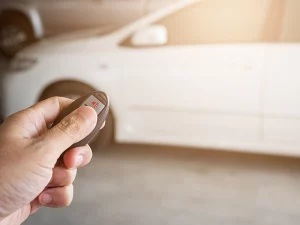
Getting locked out of a car can happen to anyone. Sometimes it’s a simple mistake, like forgetting the keys inside. Other times, a broken key fob or faulty lock causes the issue. When it happens, panic is common, but quick decisions can make things worse. We deal with these situations daily, and we’ve learned that a calm, step-by-step approach helps avoid damage and stress.
Stay Calm and Assess the Situation
The first thing to do is take a moment to breathe. It’s easy to rush into forcing the door open, but that can scratch paint, bend frames, or damage the lock itself. Instead, we recommend checking every door, including the trunk. Sometimes another entry point is still unlocked. It sounds obvious, but many people overlook it in frustration.
Next, look around your surroundings. If the car is in a risky place, like a busy road or dark parking lot, move to a safe distance and call for help right away. Your safety always comes first. If it’s daytime and you’re in a secure area, you have more time to evaluate your options calmly.
Avoid Common DIY Mistakes
When people search for quick solutions, they often come across tricks using hangers, shoelaces, or wedges. While these methods might work in rare cases, they also carry high risks. Modern vehicles have complex locking systems and sensitive sensors. Prying around the window or door frame can damage rubber seals or wiring. That leads to expensive repairs later.
We’ve seen many vehicles where owners tried to open them with metal tools. They ended up bending the frame or scratching the glass. It’s never worth the risk. Even small pressure marks can lower the resale value of your car. It’s better to pause and consider safer alternatives.
Check for Electronic or Key Fob Issues
Before calling for professional help, it’s smart to rule out a simple technical problem. If you use a key fob, try replacing the battery first. Weak batteries often cause false lockouts where the signal doesn’t reach the car. You can test the remote by pressing the buttons near the driver’s window.
If the fob light turns on but the doors don’t unlock, there might be an electrical issue with the car itself. In that case, using a spare key or manual unlock method is safer than forcing the system. When unsure, contact an automotive locksmith who can test both your key and lock system without causing damage. They have specialized diagnostic tools to identify whether the fault lies in the key, the actuator, or the central locking module.
Know When to Call for Professional Help
Many people hesitate to call professionals, thinking it will take too long or cost too much. But a trained locksmith can usually open most vehicles within minutes, often without leaving any marks. We’ve handled countless cases where customers tried DIY methods first and ended up paying for body repairs afterward.
If your car uses an advanced security system or smart key, avoid touching the internal mechanisms altogether. Trying to unlock them without the right tools can trigger alarms or even disable the ignition temporarily. A locksmith can bypass the system safely using non-destructive entry tools designed for your specific make and model.
Professional help also comes with another advantage: if your keys are lost entirely, they can reprogram or cut a new one on the spot. That means you don’t have to tow the car to a dealership, saving both time and money.
Use Spare Keys and Prevent Future Lockouts
Every driver should have at least one accessible spare key. Keep it in a place you can reach easily, like at home or with a trusted friend. Some people use magnetic key holders under the car body, but this method isn’t always secure. It’s better to keep the spare in a wallet, purse, or another person’s care.
Modern key systems allow programming multiple keys. If your car only has one, consider getting a duplicate made before an emergency happens. Many local locksmiths can clone or cut new keys on-site in just a few minutes. Regularly checking your keys for wear or cracks can also help you avoid sudden failures.
It’s also smart to test your locks occasionally. Many people rely on remote unlocking so much that they never notice when the physical keyhole becomes stiff or jammed. Lubricate the lock with a graphite-based product every few months to keep it functional.
Understand How Professionals Unlock Cars Safely
Professional locksmiths use several safe entry techniques depending on the car model. For older vehicles, they might use a long-reach tool combined with an air wedge to create a small gap between the door and frame. The wedge allows enough space to slide a tool that can press the unlock button or pull the handle gently.
For newer models with complex locking systems, locksmiths often use advanced tools that communicate directly with the car’s onboard computer. These devices send electronic signals that mimic the original key, unlocking the car without physical force. This method avoids any risk of damage to the door panels or seals.
We’ve learned that experience and the right equipment make a big difference. Even two similar car models might require different unlocking techniques. That’s why calling a trained technician saves more than just time; it protects the vehicle’s integrity.
Steps to Take After Regaining Access
Once the car is open, take a few minutes to make sure everything works properly. Test both the manual and electronic locks. If something feels stiff or doesn’t respond correctly, it may have been damaged during the lockout or earlier attempts to open it.
If you dropped your keys or they were exposed to moisture, clean and dry them immediately. Water or dirt inside the key fob can cause corrosion, leading to more lockouts in the future. For lost keys, consider reprogramming your system to ensure no one else can use them.
You can also use this opportunity to set up preventive habits. Always double-check your keys before closing the door, especially if your car automatically locks when the engine is running. Small changes in routine make a big difference in avoiding stress later.
When It’s More Than a Lockout
Sometimes a car lockout points to a deeper issue. For instance, if your keys turn in the ignition but the car doesn’t start, or if your doors lock themselves unexpectedly, the problem could be electrical or mechanical. Ignition switch wear, damaged door actuators, or faulty wiring are common causes.
An experienced locksmith can help diagnose these issues on-site. They can also repair or replace the components without the need for a full dealership visit. Addressing these problems early prevents them from becoming more serious or leaving you stranded again.
In some cases, vehicles that have been sitting unused for long periods develop stuck locks due to corrosion or debris. Regular maintenance, like cleaning and lubricating the locks, helps prevent that. Simple attention to these small details can extend the lifespan of your locking system.
Be Prepared for Emergencies
Preparation can save a lot of frustration. Keep an emergency kit in your car that includes a flashlight, spare batteries for your key fob, and a list of emergency contacts. A phone charger is also essential since car lockouts often happen when people are away from home.
Many newer vehicles now offer mobile apps that can unlock the doors remotely. If your car supports this feature, make sure it’s activated and linked to your account. However, always keep a physical backup in case the app or your phone fails.
In situations where you don’t have access to digital tools or spares, knowing a trusted professional can make a huge difference. You can save their number on your phone or bookmark the official automotive locksmith website for quick access during emergencies.
When to Replace or Reprogram Keys
If you’ve lost your car keys, it’s best to replace or reprogram them as soon as possible. Modern transponder keys and fobs are coded uniquely to each vehicle. Leaving lost keys active increases the risk of theft. A professional locksmith can deactivate old keys and program new ones safely.
Reprogramming isn’t just for lost keys. Sometimes worn-out keys cause intermittent connection issues that trigger false alarms or failure to start. Regularly checking key condition and functionality ensures smoother performance. It’s a small investment that can prevent major inconvenience.
To schedule a quick inspection or replacement, you can contact us directly and speak to a licensed technician who can guide you on the right solution for your vehicle model.
FAQs
1. Can I unlock my car with a coat hanger or wire?
It’s not recommended. These methods can easily damage paint, rubber seals, and internal wiring. Professional tools are designed to prevent that kind of damage.
2. How long does it take for a locksmith to unlock a car?
In most cases, it takes about 5 to 15 minutes depending on the car’s make and locking system. Complex security systems may take slightly longer.
3. What should I do if I lost my car keys completely?
Call a licensed automotive locksmith. They can cut and program new keys on-site, often faster and cheaper than a dealership.
4. Will unlocking my car with a locksmith void my warranty?
No, as long as non-destructive entry methods are used. Trained locksmiths use safe procedures that comply with manufacturer guidelines.
5. How can I avoid future car lockouts?
Keep a spare key accessible, maintain your locks, and test your key fob regularly. Developing small habits like checking for your keys before locking the door helps too.