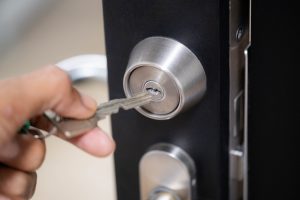
Signing a lease on your first Calgary apartment is exciting, but somewhere between picking a paint-free way to hang art and figuring out recycling day, a quieter question deserves attention: who else has a key to this place? Renters often assume lock security is entirely the landlord’s job, or that they are free to swap out any lock they like. The reality sits somewhere in between, and knowing where the line is keeps you both safe and on good terms with your landlord. Lock & Locks Locksmith works with renters and property owners across the city, and this guide covers what you can and cannot do.
Start With Your Lease and a Conversation
Before touching a single lock, read your rental agreement and talk to your landlord. In Alberta, the locks on a rental unit are generally the landlord’s responsibility, and changing them without permission can put you in breach of your lease. That does not mean you have no say, it means the smart move is to raise your concerns and get agreement first.
A reasonable landlord understands why a new tenant wants assurance that previous renters cannot walk back in. Framing it as a shared safety measure, rather than a demand, usually gets a much better response.
Why New Renters Should Care About Old Keys
When you move in, you have no way of knowing how many keys exist. Past tenants, their friends, cleaners, and contractors may all have held copies over the years. Landlords often intend to rekey between tenants but do not always follow through.
This is where rekeying comes in. Rekeying changes the internal pins of the existing lock so every old key stops working, without replacing the whole lock. It is quicker and more affordable than a new lock, and because the original hardware stays in place, it is often the option landlords are happiest to approve. You get a fresh set of keys and confidence that the previous tenant’s copy is now useless.
What You Can Usually Change (With Permission)
- Rekeying the existing entry lock so old keys no longer work
- Adding a landlord-approved secondary lock or upgraded deadbolt
- Improving a sticky or unreliable lock that is genuinely failing
What You Generally Cannot Do
- Replace or rekey locks without telling your landlord
- Install hardware that damages the door or frame permanently
- Withhold a working key from your landlord, who typically needs access for emergencies and repairs
The key principle in almost every case: your landlord should still receive a copy of any new key. Rekeying protects you from previous tenants, not from the person who owns the building and is legally allowed reasonable access.
Getting Locked Out Is Its Own Problem
New renters are also prime candidates for lockouts. New keys, unfamiliar doors, and a lock you are still getting used to add up to the occasional moment of standing in the hallway with no way in. Rather than forcing a door or trying risky online tricks that can damage the lock, a professional house lockout service can get you back inside without wrecking hardware you may be liable for. Damaging a rental door to get in can cost you far more than a service call.
Smart Habits for Renters
- Keep a spare key with someone you trust, not hidden outside
- Program a locksmith’s number into your phone before you need it
- Note which lock is which if your unit has several doors
- Report a failing lock to your landlord promptly, in writing
When to Bring in a Professional
If your landlord agrees to a rekey or a lock upgrade, having a professional do the work protects everyone. A residential locksmith ensures the job is done cleanly, the door and frame are not damaged, and both you and your landlord end up with working keys. Lock & Locks Locksmith regularly handles this kind of tenant-and-landlord work throughout Calgary, and coordinating it properly keeps the relationship smooth.
Frequently Asked Questions
Can I legally change the locks on my Calgary rental?
Locks are usually the landlord’s responsibility, so you should get their permission first. Changing them without approval can breach your lease, but most landlords will agree to a rekey when you explain the safety reasoning.
What is the difference between rekeying and replacing a lock?
Rekeying alters the existing lock so old keys stop working while keeping the same hardware. Replacing swaps the whole lock for a new one. Rekeying is faster, more affordable, and usually easier to get a landlord to approve.
Do I have to give my landlord a key to the new lock?
Yes, in almost all cases. Landlords are entitled to reasonable access for emergencies and repairs, so a rekey should still leave them with a working key. What it removes is access for past tenants and their copies.
What should I do if I get locked out of my apartment?
Avoid forcing the door, which can cause damage you may have to pay for. Call a professional lockout service instead. Lock & Locks Locksmith can be reached at (825) 438-2406.
Who pays for rekeying, me or my landlord?
That depends on your agreement. Some landlords cover it as part of turnover, while others split or pass on the cost. Sort this out in the same conversation where you request the change.